The Neptune Lab
Ecology | Physiology | Conservation
Understanding how wildlife responds to environmental change.
Research
Research in the Neptune Lab explores how organisms respond to various anthropogenic stressors, with a focus on physiology, behavior, and conservation. We ask questions aimed at understanding how different organisms use physiological, morphological, and behavioral adaptations to cope with climate change, pollution, and other aspects of habitat modification.
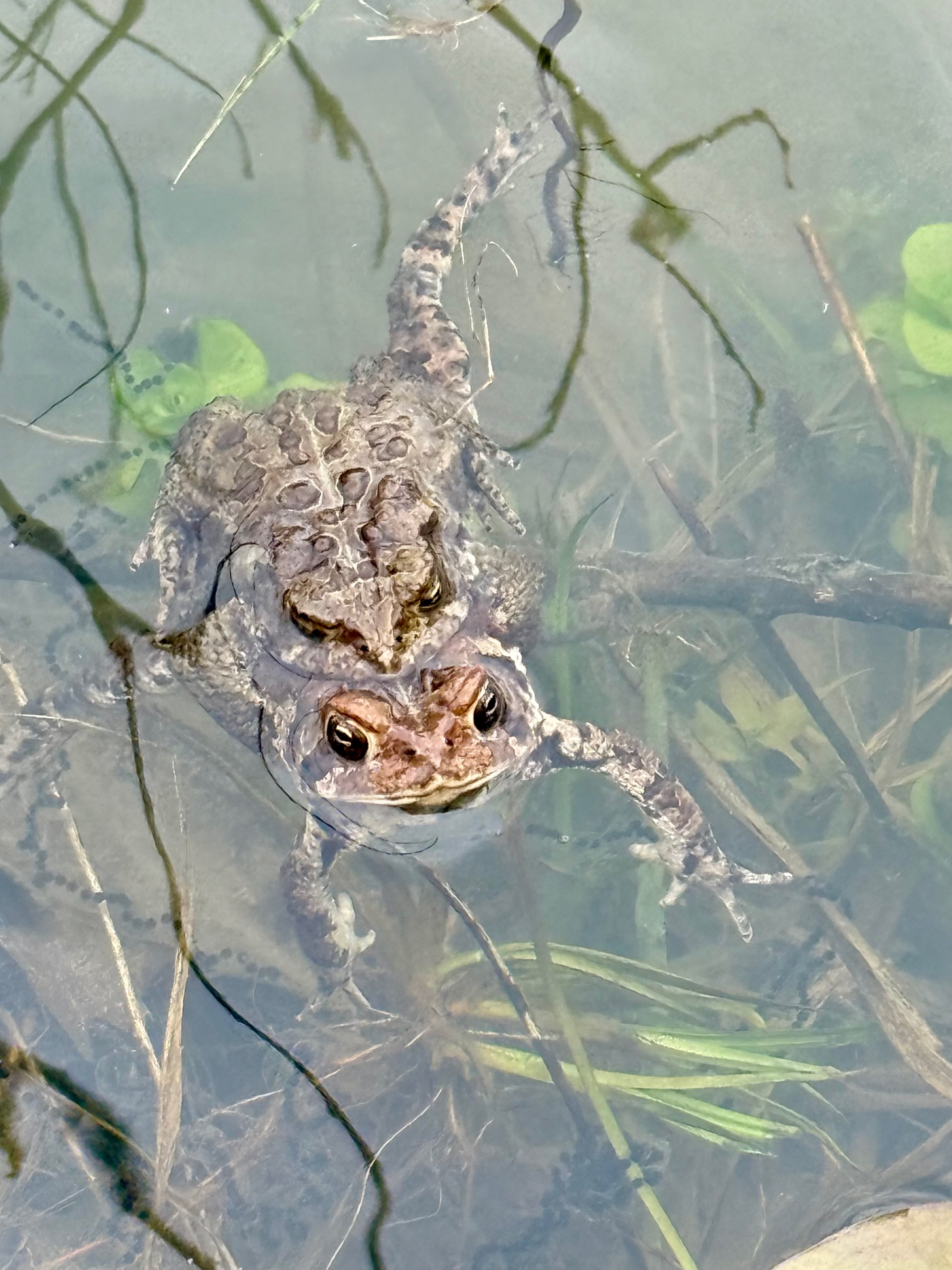
Environmental Cues
Understanding how vertebrates use environmental signals, such as photoperiod, to regulate physiology, behavior, and seasonal responses.

Artificial Light at Night
Investigating how physiological mechanisms shape responses to environmental stress and influence vulnerability in changing environments.

Community Ecology
Examining how interacting environmental pressures influence community structure and dynamics via changes to species interactions.
Latest News
Fulbright Research in Spain
During my Fulbright fellowship in Spain, I investigated the potential synergistic effects of light pollution, photoperiod, and temperature on spadefoot toads with some truly incredible collaborators.
Media Coverage
Check out this cool research on how photoperiod drives overwintering preparation in gray treefrogs, which may ultimately create ecological traps.
Featured in:
The Wildlife Society — Freeze-proof frogs think winter is coming—but is it?
India Today — Animals adapting too slowly as climate change creates ecological trap
Earth.com — Tree frogs freeze themselves for winter weather that now never comes
Phys.org — Climate change may create ‘ecological trap’ for species who can’t adapt
Mundiario — CEl cambio climático podría empujar a las especies hacia una “trampa ecológica”
Photos from the Field
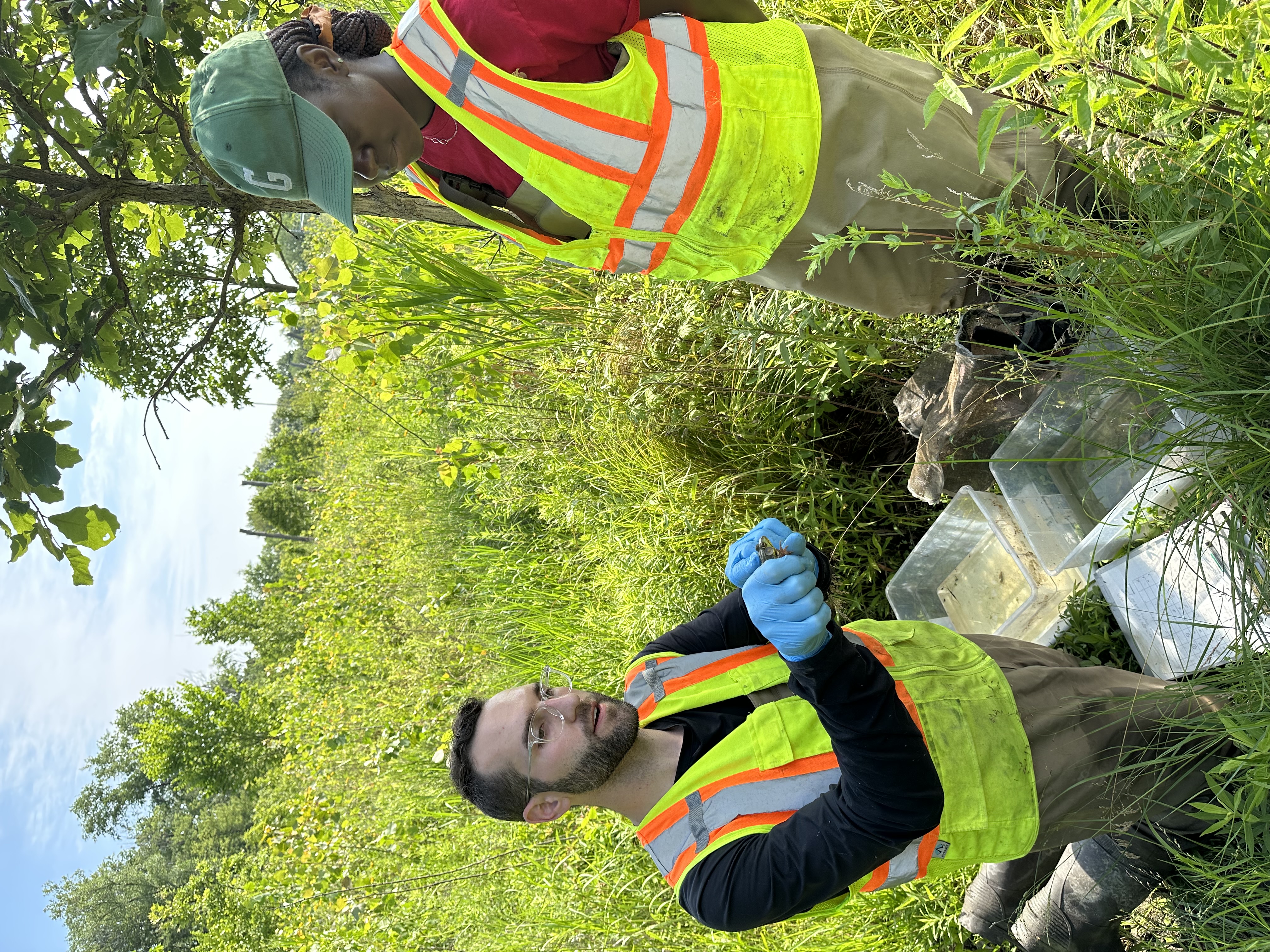
Photo credit: Mike Benard
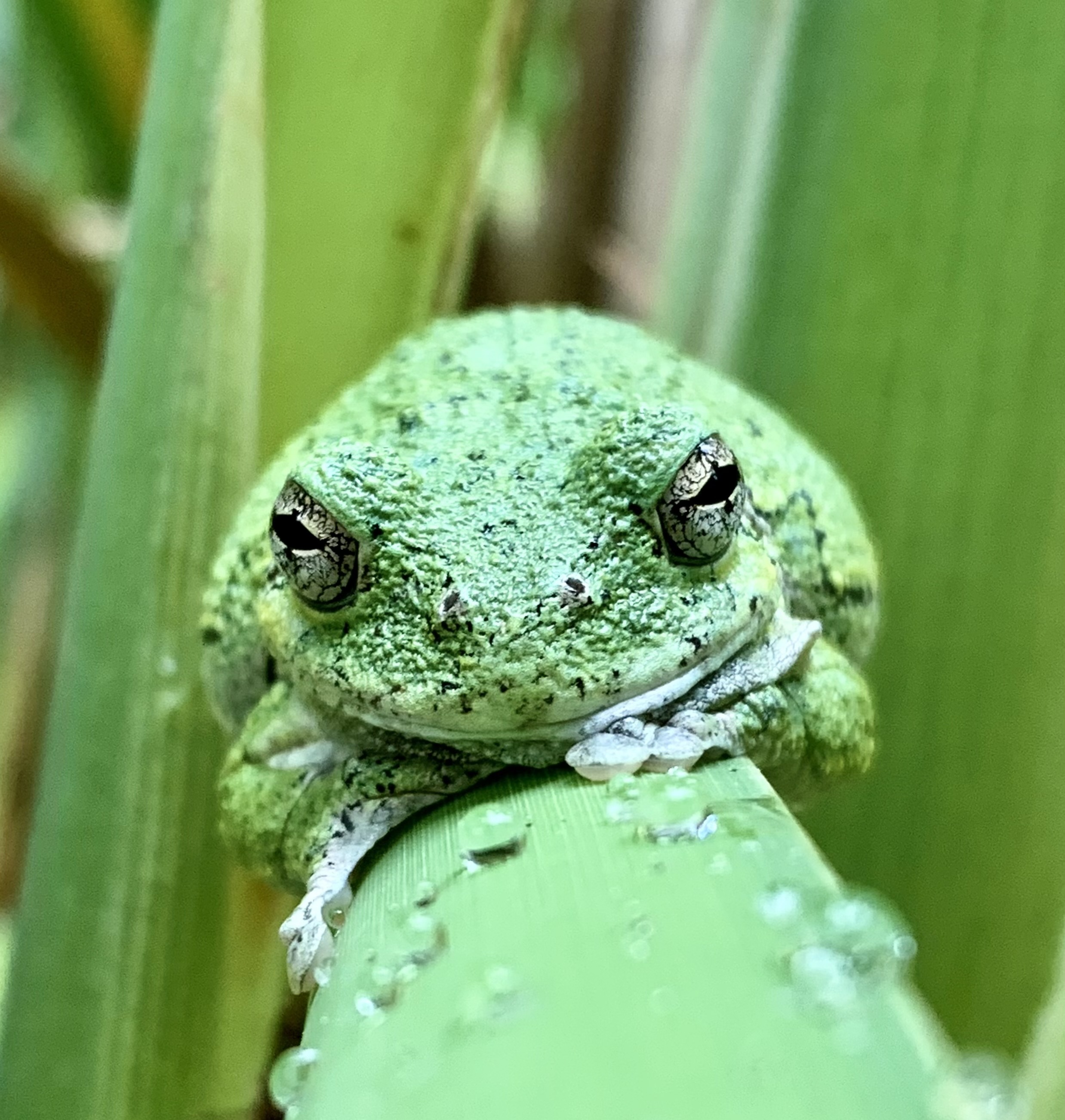

See photos of our research from the field and the amazing species we study!
Interested in Ecology and Conservation?
I would love to hear from students who are curious about nature and excited to learn how research can help us understand and conserve biodiversity.
Male American toad (Anaxyrus americanus) calling during the breeding season.
Spadefoot toad (Pelobates cultripes) tadpole eating spinach. Super cute!